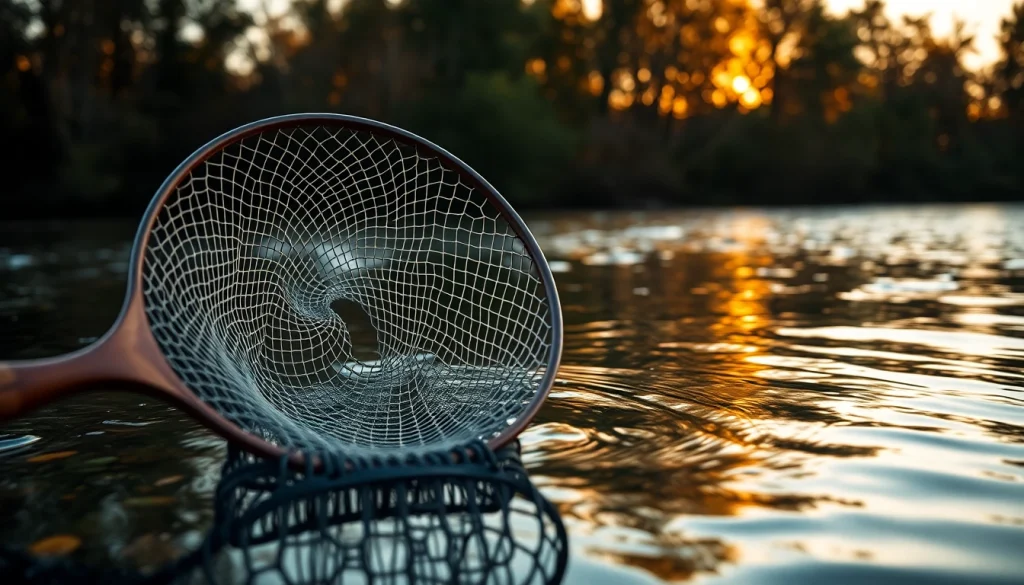
Understanding the Importance of a Fly Fishing Net
Why a net matters in fly fishing
In fly fishing, every piece of equipment plays a critical role, and the Fly fishing net is no exception. It not only serves as a practical tool for landing fish but also ensures their safe release back into the water, preserving the health of aquatic ecosystems. Using a net helps reduce the time fish spend out of water, improving their chances of survival after catch-and-release.
Benefits of using the right net
Selecting the appropriate net can significantly influence your fishing experience. A well-chosen net will help you land fish more efficiently, particularly in delicate situations or when dealing with larger species. Additionally, the right net minimizes harm to the fish, maintaining their vitality and contributing to sustainable fishing practices. A rubberized mesh net, for instance, is gentler on fish scales and fins compared to traditional nets, reducing injury during the landing process.
Common misconceptions about fly fishing nets
Many anglers mistakenly believe that any net will suffice for fly fishing. However, this assumption can lead to suboptimal experiences. For instance, nets with coarse mesh can entangle fish, increasing stress and potential injury. Furthermore, some believe that larger nets are always better, but size should be matched to the species targeted. Misconceptions like these can affect catch rates and fish welfare and should be addressed through education and awareness within the fishing community.
Types of Fly Fishing Nets Available
Different materials used in fly fishing nets
Fly fishing nets come in various materials, each suited for different fishing environments. Common materials include:
- Wood: A traditional option, wooden nets are aesthetically pleasing but can be heavier and prone to water damage.
- Aluminum: Lightweight and strong, aluminum nets are resistant to rust and corrosion, making them ideal for fresh and saltwater fishing.
- Carbon Fiber: Offers an excellent balance of strength and weight, perfect for anglers looking to carry a net without excess bulk.
- Plastic: Some nets feature plastic frames, which can be highly durable and come in various modern designs.
Comparing net shapes and sizes
The shape and size of your fishing net should align with the type of fish you target. Common shapes include:
- Round Nets: Great for landing and securing fish quickly, often preferred for their ease of use.
- Rectangular Nets: Provide a larger area, which can be advantageous when dealing with larger fish.
- Specialty Nets: Designed for specific fishing methods or species, such as boat nets or specialized trout nets.
A net’s size is typically categorized by the hoop diameter. Smaller nets can facilitate landing smaller species like panfish, while larger nets are essential for big game fish like bass or pike.
Choosing the right style for your fishing technique
Your chosen fishing technique should dictate your net selection. For example, if you’re wading in a stream, a lightweight net with a longer handle can help reach fish in deeper waters. Conversely, when fishing from a boat, a larger net with a wider hoop may be necessary to accommodate bigger catches. Understanding your fishing style will enhance your success and enjoyment on the water.
How to Choose the Best Fly Fishing Net
Key features to look for in a net
When selecting a fly fishing net, consider these essential features:
- Material: Opt for a net that balances weight and durability with your fishing needs.
- Mesh Type: Rubberized mesh is preferable for catch-and-release, as it reduces fish injury.
- Handle Length: Ensure it is comfortable and enables you to land fish efficiently.
- Hoop Shape: Choose a design that suits your targeting methods and environmental conditions.
Assessing handle length and hoop size
The handle length is crucial for mobility and landing efficiency. A longer handle can provide leverage for landing fish from a distance, whereas a shorter handle may offer better control in tight spaces, like creeks. Hoop size should be chosen based on the size of the expected catch; nets with larger hoops are more versatile but can be cumbersome to maneuver, especially in densely vegetated areas.
Evaluating net mesh types and their advantages
Net mesh materials directly impact fish survival rates post-catch. Traditional netting can lead to fish injuries from rolled gills or snagged scales, while rubber mesh minimizes these risks. Additionally, diverse mesh types cater to various conditions. Graduated mesh can help capture small fish while maintaining sufficient flow for larger fish, enhancing your experience and the fish’s recovery chances.
Care and Maintenance of Your Fly Fishing Net
Cleaning and drying your net
Regular cleaning extends your net’s lifespan significantly. After each fishing trip, rinse your net with fresh water to remove debris and fish slime. Use a soft brush for stubborn residues. Once cleaned, hang the net to dry in a shaded area as prolonged exposure to direct sunlight can weaken materials and cause fading.
Storage tips for longevity
Proper storage is vital to maintaining your net’s structural integrity. Store nets in a vertical position, allowing air flow to prevent mildew or warping. Avoid placing heavy objects on top of your net, as this can cause distorting. Additionally, consider using a protective sleeve or bag to shield the net from scratches or environmental factors when not in use.
Repairing common damages
Minor damages can often be repaired with a few tools and products. For small tears in the netting, a patch kit can salvage the material. If the frame becomes bent or damaged, use pliers to gently reshape the net. For wooden nets, refinishing the surface can protect against water damage and improve aesthetics. Taking timely action on repairs can keep your net functional long term.
Frequently Asked Questions About Fly Fishing Nets
What size net is best for fly fishing?
The ideal net size varies based on the species targeted. For smaller species, nets with hoop sizes of 8-15 inches suffice, while larger species require hoops over 20 inches.
Why is a net vital for catch-and-release fishing?
A net minimizes a fish’s time out of water, aiding in their recovery post-catch. This improves survival rates for released fish.
Are rubber nets better than traditional ones?
Yes, rubber nets cause less harm to fish by preventing snagging, making them suitable for catch-and-release practices.
How to properly land a fish using a net?
Approach the fish calmly and avoid sudden movements. Position the net under the fish and lift gently, supporting its weight without dragging it across the ground.
Can I customize my fly fishing net?
Many manufacturers offer custom options, including size, material, and colors, allowing you to create a net that suits your personal style and fishing needs.