
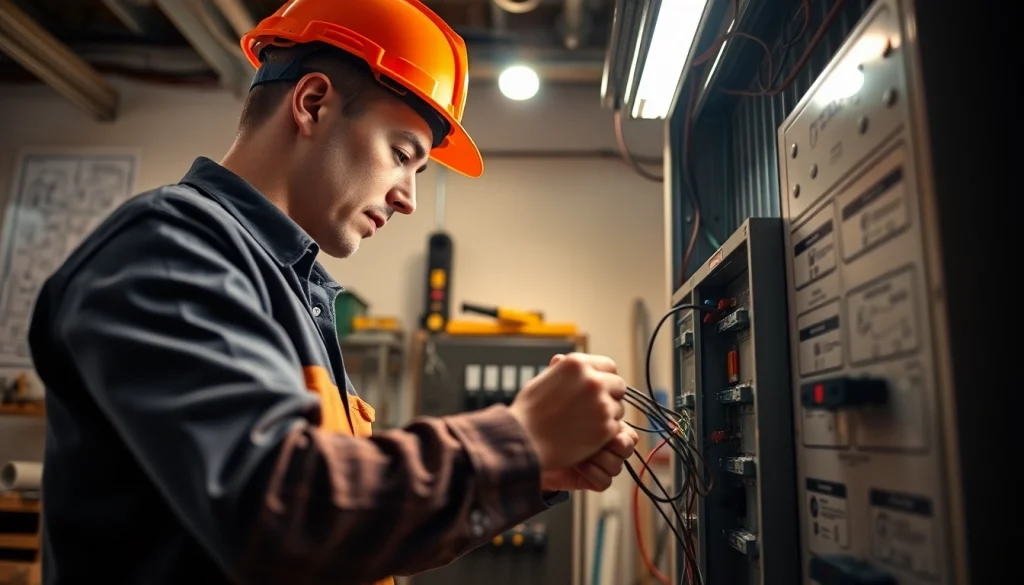
Understanding the Basics of Wyoming Electrical Apprenticeship
Entering the electrical field in Wyoming can be a fulfilling endeavor, offering robust career prospects and a chance to develop essential technical skills. An essential first step on this journey is understanding what an apprenticeship entails. The Wyoming Electrical Apprenticeship program is designed to equip individuals with the expertise needed to excel in this dynamic trade.
What is an Electrical Apprenticeship?
An electrical apprenticeship is a structured training program that combines hands-on work experience with classroom instruction. Designed for aspiring electricians, this program typically spans four to five years, depending on state regulations and individual program structures. Apprentices are paired with licensed electricians—known as journeymen—who offer guidance, mentorship, and practical training.
During their apprenticeship, individuals learn about electrical systems, safety standards, and the practical application of electrical codes, preparing them for a variety of roles in both residential and commercial settings.
Eligibility Requirements for Wyoming Electrical Apprenticeship
To qualify for an electrical apprenticeship program in Wyoming, aspiring candidates usually need to meet several prerequisites:
- Minimum Age: Candidates must be at least 18 years old or have parental consent if they are younger.
- Educational Background: A high school diploma or GED is generally required. Mathematics, physics, and technical courses are particularly beneficial.
- Physical Condition: Applicants must be physically fit and able to perform the tasks required in electrical work, including lifting heavy objects, standing for long periods, and working in diverse conditions.
- Background Check: Many programs require a criminal background check to ensure the safety and reliability of the apprentices.
Benefits of Participating in an Apprenticeship Program
Participating in a Wyoming electrical apprenticeship offers numerous benefits:
- Earn While You Learn: Apprentices receive a paycheck while gaining valuable experience, allowing them to support themselves financially as they gain skills.
- Industry Recognition: Completing an accredited apprenticeship program provides a recognized credential within the industry, making graduates more desirable to employers.
- Networking Opportunities: Apprentices have the chance to build relationships with experienced professionals in the field, which can lead to future job opportunities.
- Comprehensive Skill Set: The combination of on-the-job training and classroom instruction equips apprentices with a diverse range of skills—from basic wiring to advanced electrical systems troubleshooting.
Steps to Enroll in the Wyoming Electrical Apprenticeship
Finding Accredited Programs in Wyoming
To begin your journey, identifying accredited apprenticeship programs in Wyoming is essential. The best way to locate these programs is through resources such as:
- Trade Organizations: Entities like the National Electrical Contractors Association (NECA) often have listings of approved apprenticeships.
- Community Colleges: Many local colleges offer electrical programs that include apprenticeship placements.
- State Agencies: The Wyoming Department of Workforce Services provides information on approved apprenticeship programs in the state.
Application Process and Important Deadlines
Once you find an accredited program, the next step is to understand the application process:
- Complete Application: Fill out the application form thoroughly, ensuring all required information is included.
- Submit Supporting Documents: Attach your high school diploma or GED, resume, any relevant certifications, and letters of recommendation if applicable.
- Meeting Deadlines: Be aware of application deadlines, which can vary by program. Mark your calendar and submit your application early to avoid last-minute issues.
- Interviews: Selected candidates may be invited for an interview, which is an opportunity to showcase your passion for the trade and your commitment to the apprenticeship.
Preparing for Your Apprenticeship Interview
The interview process is a critical step in securing an apprenticeship. Here are several tips to help you prepare:
- Research the Program: Understanding the specific apprenticeship program, its requirements, and its focus areas will help you answer questions more effectively.
- Practice Common Interview Questions: Prepare answers for questions about your motivation for becoming an electrician, your technical skills, and how you handle challenges.
- Demonstrate Enthusiasm: Show genuine interest in the program and the electrical trade during the interview. Engaging with the interviewers is key to making a positive impression.
- Dress Professionally: First impressions matter; dressing appropriately can demonstrate your seriousness about the opportunity.
Training and Working Conditions in Apprenticeship
Hands-on Learning Opportunities
One of the primary advantages of an apprenticeship is the hands-on experience it provides. Apprentices are exposed to a variety of tasks, including:
- Residential Wiring: Learning how to install and repair electrical systems in homes, including outlets, lighting fixtures, and circuit breakers.
- Commercial Installations: Gaining experience in larger electrical systems used in commercial buildings, which may include complex machinery and automated systems.
- Maintenance and Repair: Learning how to troubleshoot and repair faulty wiring and electrical components, a critical skill in ensuring safety and reliability.
Mentorship and Guidance from Experienced Electricians
Mentorship is a cornerstone of the apprenticeship model. Journeyman electricians guide apprentices through their training, offering insights such as:
- Practical Skills: Sharing hands-on techniques that are not always covered in textbooks or classroom lectures.
- Industry Standards: Teaching apprentices about safety regulations, electrical codes, and best practices within the field.
- Career Progression: Providing advice on further education and career advancement opportunities within the electrical industry.
Safety Protocols and Best Practices in the Field
Safety is paramount in the electrical industry. Apprentices are trained in critical safety protocols, including:
- Personal Protective Equipment (PPE): Understanding the importance of using appropriate gear, such as gloves, helmets, and eye protection, to minimize risks.
- Emergency Protocols: Learning how to respond to electrical emergencies, including handling live wires and understand shock prevention techniques.
- Safe Work Practices: Developing a strong awareness of surroundings and following operational procedures to maintain a safe work environment.
Career Advancement Post-Apprenticeship
Obtaining Licensure and Certification in Wyoming
Upon completing an apprenticeship, graduates must obtain licensure to work independently as electricians in Wyoming. The following steps typically need to be taken:
- Pass the Licensing Exam: Candidates must pass a state-administered exam covering electrical theory, local codes, and safety regulations.
- Document Training Hours: Submit proof of completed apprenticeship hours as required by the state regulatory board.
- Continued Education: Engaging in ongoing education courses may also be necessary, keeping electricians updated on new technologies and codes.
Exploring Advanced Roles in Electrical Engineering
After becoming a licensed electrician, numerous career paths open up, such as:
- Master Electrician: This role often requires additional years of experience and is recognized as the highest level of certification in the field.
- Electrical Engineer: Those interested in the design and development of electrical systems might consider pursuing further education in electrical engineering.
- Project Manager: Focusing on managing electrical projects, overseeing teams of electricians, and ensuring compliance with safety and quality standards.
Networking Opportunities and Industry Connections
Networking is essential for career advancement in any industry. For electricians, opportunities can be found through:
- Professional Organizations: Joining groups such as the National Electrical Contractors Association (NECA) can provide invaluable networking opportunities and resources.
- Trade Shows and Workshops: Participating in industry events can help electricians stay updated on trends and make connections.
- Social Media Groups: Engaging in platforms like LinkedIn, electricians can join groups focused on industry discussions and job opportunities.
Evaluating Your Success in the Apprenticeship Program
Performance Metrics: What to Track
Evaluating success during an apprenticeship involves tracking various performance metrics, such as:
- Technical Skill Proficiency: Assessing your ability to perform electrical tasks, troubleshooting, and meeting safety standards.
- Learning Progress: Keeping logbooks or journals to document learning experiences, challenges, and milestones achieved throughout the program.
Gathering Feedback from Supervisors and Mentors
User feedback can provide valuable insights into your performance. Consider the following methods:
- Regular Check-ins: Schedule informal meetings with your supervisor to discuss your performance and areas for improvement.
- Peer Reviews: Engaging with fellow apprentices for peer evaluation can facilitate a well-rounded understanding of your skills and progress.
Setting Future Career Goals after the Apprenticeship
As your apprenticeship concludes, it’s critical to set clear career goals:
- Short-term Goals: Identify skills or certifications you want to obtain immediately after completing your apprenticeship.
- Long-term Goals: Consider where you would like your career to go in the next five to ten years, such as specializing in a certain area or advancing to a management position.
Individuals pursuing the Wyoming Electrical Apprenticeship program embark on a path filled with opportunities, mentorship, and the promise of a stable and rewarding career. With a combination of dedicated training, ongoing education, and robust networking, apprentices can not only thrive in their roles but also contribute significantly to the electrical industry in Wyoming.