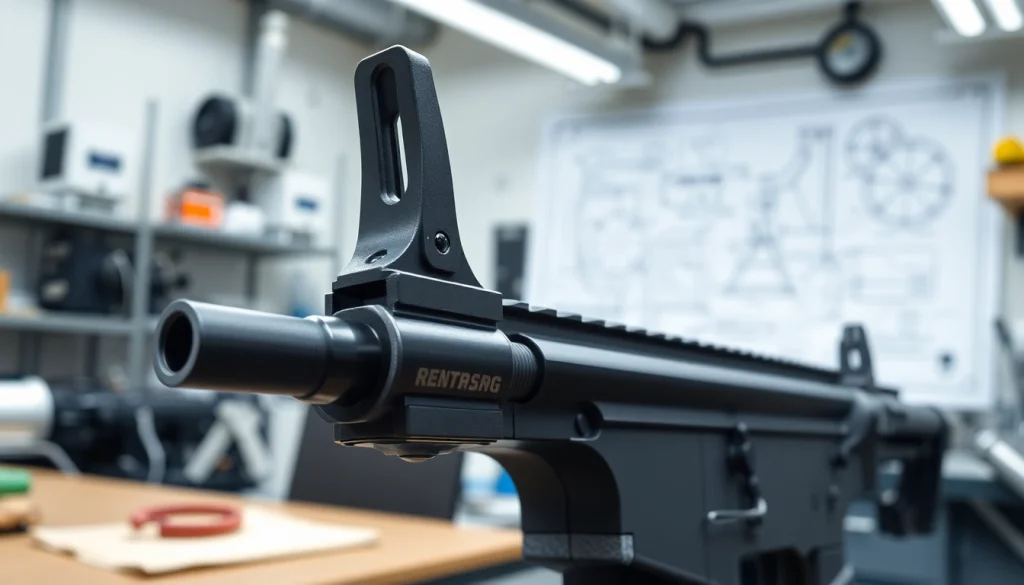
Introduction to the Forced Reset Trigger
The forced reset trigger has gained significant attention in recent years for its innovative mechanism that enhances shooting efficiency while adhering to current legal standards. This device enables shooters to fire rapidly without transitioning to full-auto configurations, making it appealing to both enthusiasts and competitive shooters alike. As discussions around firearm regulations continue, understanding the intricacies of the forced reset trigger becomes essential for responsible ownership and usage.
What is a Forced Reset Trigger?
A forced reset trigger (FRT) is a type of trigger used in firearms that automatically resets after a shot is fired. Unlike traditional triggers that require the shooter to manually reset the trigger after each pull, the forced reset trigger uses the firearm’s own cycling action to return to its ready-to-fire position quickly. This rapid reset is designed to allow a quicker follow-up shot, increasing the rate of fire without converting a firearm into a fully automatic weapon.
History and Evolution of Trigger Mechanisms
The evolution of firearm triggers has come a long way since the inception of gunpowder weaponry. Traditional triggers operated on a simple mechanical principle, where each shot required a distinct pull and reset cycle. Over time, innovations such as two-stage triggers and binary triggers emerged, offering enhanced performance and adaptability for different shooting styles. The introduction of forced reset triggers represents a pivotal moment in this evolution, allowing for faster shoot cycles while maintaining legal compliance with single-trigger functionality.
Key Features of the Forced Reset Trigger
- Rapid Reset Mechanism: The hallmark feature of a forced reset trigger is its automatic reset capability, which significantly reduces the time between shots.
- Legal Compliance: FRTs operate within the framework of firearm laws, ensuring shooters remain compliant with federal regulations regarding automatic firing mechanisms.
- Precision Engineering: Most forced reset triggers are made from high-quality materials that enhance durability and ensure consistent performance under pressure.
- Easier Control: Shooters report that the mechanics of this trigger system lead to improvements in accuracy and overall firearm handling.
How Does the Forced Reset Trigger Work?
Mechanics Behind the Trigger
The forced reset trigger operates primarily through the mechanical interactions within the firearm itself. When a round is fired, the recoil causes the bolt to cycle, ejecting the spent casing and loading a new round. During this process, the trigger mechanism is designed to reset itself quickly as the bolt moves forward. This ensures that the shooter can maintain a high rate of fire without having to manually reset the trigger after each shot.
Understanding Shot Cycle and Reset
The shot cycle of a firearm with a forced reset trigger involves several stages: pulling the trigger, firing the round, the action cycling, and the reset. When the shooter pulls the trigger, the firing pin strikes the primer, igniting the powder and firing the projectile. As the gun recoils, the bolt moves backward to eject the casing and chamber another round, simultaneously pushing the trigger back into position for the next shot. This seamless operation allows the shooter to focus on aiming and shooting rather than worrying about trigger mechanics.
Common Misconceptions Explained
One common misconception is that forced reset triggers make firearms fully automatic. While they do allow for faster firing rates, shooters must still pull the trigger for each shot. Hence, they do not meet the criteria to be classified as machine guns under federal law. It’s a crucial distinction that reinforces the legality and intended use of FRTs, ensuring compliance with firearm regulations while enhancing performance.
Legal Aspects of Forced Reset Triggers
Current Legal Status in the United States
As of now, the forced reset trigger is legal under federal law. The Bureau of Alcohol, Tobacco, Firearms and Explosives (ATF) no longer categorizes FRTs as machine guns, which means they can be owned and utilized by civilians without the complications associated with fully automatic firearms. However, as always, maintaining awareness of evolving regulations is essential for all firearm owners.
State-by-State Regulations Overview
While federal regulations may permit the use of forced reset triggers, state laws often vary significantly. Some states have opted to classify these devices under stricter laws, considering them a form of restricted firearm accessory. It’s critical for gun owners to familiarize themselves with the laws specific to their state to avoid legal challenges that can arise from incorrect assumptions regarding the legality of FRTs.
Impact of Recent Legislation Changes
Recent legislative efforts aimed at regulating firearms have brought forced reset triggers into the spotlight. Changes in law may affect ownership rights and the design of these triggers. It’s vital for gun owners to stay informed about legislative changes at both federal and state levels to ensure compliance and to advocate for responsible firearm legislation.
Performance and Use Cases
Comparative Benefits Over Standard Triggers
Forced reset triggers present several advantages over standard trigger systems. The most significant benefit is the increased firing speed achieved through the quick reset mechanism. This leads to improved shooting accuracy as the shooter can engage targets faster, particularly in dynamic shooting scenarios such as competitions or tactical training environments. Furthermore, FRTs can help reduce fatigue during extended shooting sessions since they require less manual effort to reset after each shot.
Popular Applications in Firearms
Beyond competitive shooting, forced reset triggers are increasingly popular in various practical applications, including home defense, law enforcement, and military training. Their design allows for quick follow-up shots, making them suitable for situations where time and accuracy are essential. They can be beneficial in scenarios requiring rapid target engagement while still adhering to legal shooting standards.
Feedback From Users and Professionals
User feedback regarding forced reset triggers has generally been positive, highlighting improvements in shooting performance and comfort. Many shooters appreciate the reduction in trigger fatigue, especially during long shooting sessions. Professional trainers and shooting instructors often advocate for the use of FRTs in their training programs, noting how such systems can enhance a shooter’s ability to perform under pressure.
Future Trends and Innovations
Upcoming Developments in Trigger Technology
The firearms industry continues to innovate, and trigger technology is no exception. Future developments may include more advanced FRT designs that enhance usability and reliability further. Improved materials and assembly techniques could lead to even lighter and more durable triggers. Additionally, the integration of smart technologies might provide shooters with insights into trigger performance, enabling customization and optimizations for individual shooting styles.
Predictions for Legal Standards
As the debate surrounding firearm regulations progresses, the future of forced reset triggers may be influenced by changing political and social landscapes. Continued dialogue and activism within the firearm community will play an essential role in shaping future legislation on trigger mechanisms. It’s reasonable to anticipate that as technology advances, lawmakers will seek to address and clarify the legal status of FRTs more comprehensively, influencing their availability and use.
Conclusion and Final Thoughts
The forced reset trigger represents a significant advancement in firearm technology, offering users enhanced performance while remaining compliant with legal standards. Understanding the mechanics, benefits, and regulations surrounding FRTs is vital for responsible firearm ownership. As this technology evolves, so too will the landscape of shooting sports, law enforcement, and personal defense, making it an exciting time for new developments in firearm accessories.
FAQs
What is a forced reset trigger?
A forced reset trigger is a firearm mechanism that automatically resets after shooting, boosting firing rate while adhering to legal standards requiring a trigger pull for each shot fired.
Are forced reset triggers legal?
Currently, forced reset triggers are legal under federal law, but state laws vary widely, with some states prohibiting their use or imposing strict regulations.
How do forced reset triggers differ from other triggers?
Unlike standard triggers, forced reset triggers reset automatically using the firearm’s action, offering a quicker cycle for shooting while maintaining one-shot-per-trigger-pull functionality.
What are the main benefits of using a forced reset trigger?
Benefits include faster shooting cycles, improved precision, and enhanced control over firearm performance without transitioning to full-auto configurations.
How should I maintain my forced reset trigger?
Regular cleaning with gun oil, checking for wear and tear, and ensuring all mechanical parts function smoothly will help maintain a forced reset trigger effectively.