

Anxiety is a normal human response to stress, uncertainty, or danger. It can motivate us to prepare, focus, and take necessary action. However, when anxiety becomes persistent or intense, it may interfere with daily life, emotional health, and physical well-being. Understanding Anxiety symptoms is crucial to recognize when worry has escalated into a condition that requires attention. This article explores common and lesser-known anxiety symptoms, their physical manifestations, and how to respond with care and practical strategies.
Understanding Anxiety Symptoms
Anxiety manifests in multiple ways, impacting thoughts, emotions, and physical states. It is important to differentiate between normal worry and anxiety disorders. While occasional stress is part of everyday life, persistent anxiety can affect sleep, concentration, relationships, and overall health.
Some typical anxiety symptoms include:
- Persistent worry or fear: Excessive concern over everyday events or unlikely situations.
- Restlessness or agitation: Feeling “on edge” or unable to relax.
- Difficulty concentrating: Struggling to focus on tasks, school, or work.
- Irritability: Reacting more strongly than usual to minor stressors.
- Sleep disturbances: Trouble falling asleep, staying asleep, or restless sleep.
These symptoms may seem mild at first, but when combined with physical signs, they indicate that anxiety is affecting the body and mind.
Physical Signs of Anxiety You Should Not Ignore
Anxiety does not only affect emotions. The body often responds to chronic stress and fear with physical symptoms. Recognizing these signs early can help manage anxiety before it worsens.
Rapid Heartbeat and Palpitations
One of the most common physical signs of anxiety is a racing heart or palpitations. This occurs because anxiety triggers the body’s fight-or-flight response, releasing stress hormones like adrenaline. Even in calm situations, someone with anxiety may feel their heart pounding or skipping beats.
Shortness of Breath or Hyperventilation
Many people with anxiety experience difficulty breathing or feel as if they cannot get enough air. Rapid or shallow breathing is a response to heightened alertness, but over time, it can lead to dizziness, lightheadedness, and panic attacks.
Muscle Tension and Body Aches
Chronic anxiety often causes muscles to tighten unconsciously. Individuals may notice tension in the shoulders, neck, or back, and experience frequent headaches or jaw pain. These symptoms may mimic other medical conditions but are often linked to persistent stress.
Digestive Problems
Anxiety affects the digestive system by altering gut function. Symptoms can include:
- Stomachaches or cramps
- Nausea
- Diarrhea or constipation
- Loss of appetite
This connection is often called the “brain-gut axis,” highlighting how stress and worry directly influence digestive health.
Sweating and Trembling
Excessive sweating, especially in the palms, and trembling or shaking are classic signs of anxiety. These symptoms are part of the body’s natural response to perceived threats but can become disruptive when they occur frequently in daily life.
Sleep Disturbances
Insomnia or poor-quality sleep is both a symptom and consequence of anxiety. Worries can prevent relaxation, making it difficult to fall asleep or causing early morning awakenings. Sleep deprivation can then worsen anxiety symptoms, creating a challenging cycle.
Fatigue and Low Energy
Constant mental strain and physical tension often leave individuals feeling drained. Unlike ordinary tiredness, fatigue caused by anxiety persists even after rest or adequate sleep.
Other Less Obvious Physical Symptoms
Anxiety can also present with subtle signs that may be easy to overlook:
- Tingling sensations or numbness in hands or feet
- Dizziness or lightheadedness
- Frequent headaches or migraines
- Skin reactions such as rashes or hives
Recognizing these signs alongside emotional symptoms is essential for early intervention and effective management.
How Anxiety Symptoms Affect Daily Life
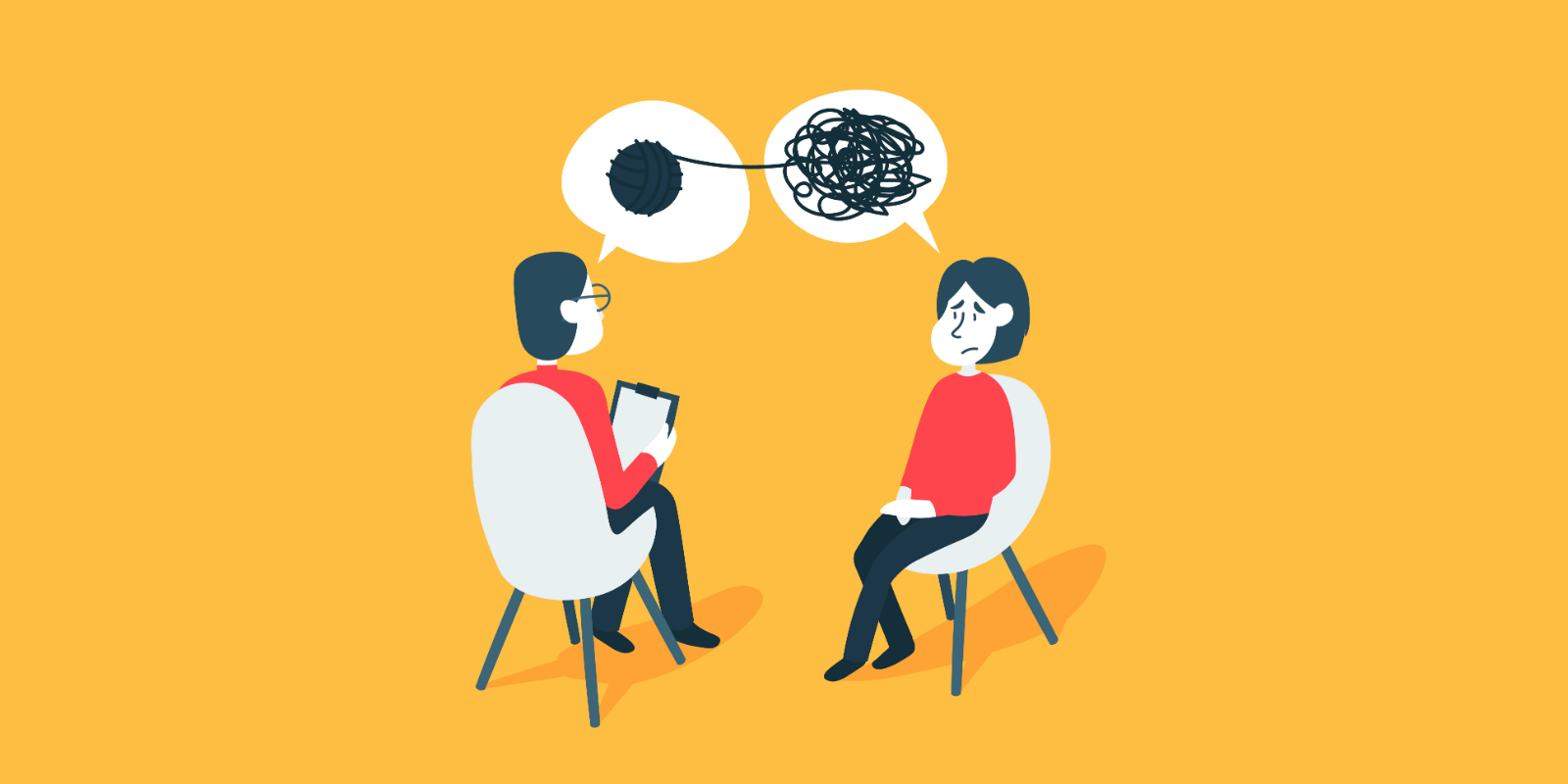
When anxiety symptoms are ignored, they can significantly impact everyday functioning. For example, persistent worry may make it hard to focus at school or work, avoid social situations, or interfere with relationships. Physical symptoms like headaches or digestive issues can make completing simple tasks challenging.
Consider the case of Sara, a 16-year-old student who began experiencing frequent stomachaches and rapid heartbeat before exams. Initially, she dismissed these as minor stress. However, over time, her anxiety interfered with her concentration and sleep, demonstrating how untreated anxiety can escalate and affect multiple areas of life.
Identifying Triggers of Anxiety Symptoms
Understanding what triggers anxiety can help prevent and reduce symptoms. Common triggers include:
- Academic or work pressures
- Major life changes, such as moving or loss of a loved one
- Chronic illness or medical conditions
- Relationship difficulties or conflicts
- Financial concerns
- Excessive use of technology and social media
By identifying triggers, individuals can implement strategies to minimize their impact on emotional and physical health.
Strategies to Manage Anxiety Symptoms
Managing anxiety requires a combination of lifestyle adjustments, coping strategies, and professional support. Some effective approaches include:
Practice Mindfulness and Relaxation
Mindfulness meditation, deep breathing exercises, and progressive muscle relaxation can reduce stress and physical tension. Even a few minutes daily can help regulate the nervous system and improve focus.
Regular Physical Activity
Exercise is a natural way to reduce anxiety. Activities like walking, jogging, yoga, or swimming release endorphins, which improve mood and reduce stress hormone levels.
Healthy Sleep Habits
Establishing a consistent sleep routine, limiting caffeine, and creating a calming bedtime environment can improve sleep quality and reduce anxiety-related fatigue.
Balanced Diet
Eating regular, nutrient-rich meals can stabilize blood sugar and improve overall mood. Avoiding excessive sugar, caffeine, and processed foods supports mental and physical well-being.
Limit Exposure to Stressors
Reducing exposure to news overload, social media pressure, or toxic environments can help prevent anxiety triggers from escalating.
Seek Professional Support
If anxiety symptoms persist or interfere with daily life, consulting a mental health professional is essential. Therapies such as cognitive-behavioral therapy (CBT) or counseling can provide tools to manage anxiety effectively.
When to Seek Immediate Help
While occasional anxiety is normal, some signs indicate the need for prompt professional attention:
- Panic attacks or extreme fear episodes
- Suicidal thoughts or self-harm tendencies
- Severe physical symptoms such as chest pain or difficulty breathing that may mimic medical emergencies
- Inability to function at school, work, or in social settings
Prompt intervention can prevent long-term complications and improve quality of life.
Real-Life Example of Managing Anxiety Symptoms
Consider James, a 28-year-old office worker who noticed constant tension, headaches, and irritability. By incorporating daily meditation, regular exercise, and seeking counseling, he significantly reduced both emotional and physical anxiety symptoms. Over time, James regained focus at work, improved sleep, and felt more confident managing daily challenges.
Conclusion
Anxiety symptoms and physical signs are signals from the body and mind indicating that something requires attention. Recognizing these symptoms early and responding with practical strategies can prevent escalation and support overall well-being. By practicing mindfulness, maintaining healthy habits, and seeking professional help when necessary, individuals can manage anxiety effectively. Understanding anxiety is not just about reducing discomfort but also about empowering oneself to lead a balanced, fulfilling life. Calm Minds Hub encourages everyone to pay attention to these signs, act with care, and seek support in their journey toward emotional and physical health. Head back to the main site to explore insights tailored to your needs.
FAQs
What are the most common anxiety symptoms to watch for?
Common anxiety symptoms include persistent worry, restlessness, difficulty concentrating, irritability, sleep disturbances, and physical signs such as rapid heartbeat, muscle tension, or digestive issues.
Can physical symptoms indicate anxiety even without emotional distress?
Yes. Some individuals may primarily experience physical signs like headaches, stomach issues, or muscle tension. Recognizing these as possible anxiety symptoms is important for early intervention.
How can I manage anxiety symptoms effectively at home?
Effective strategies include mindfulness exercises, regular physical activity, balanced nutrition, healthy sleep habits, reducing exposure to stressors, and seeking professional guidance when needed.