
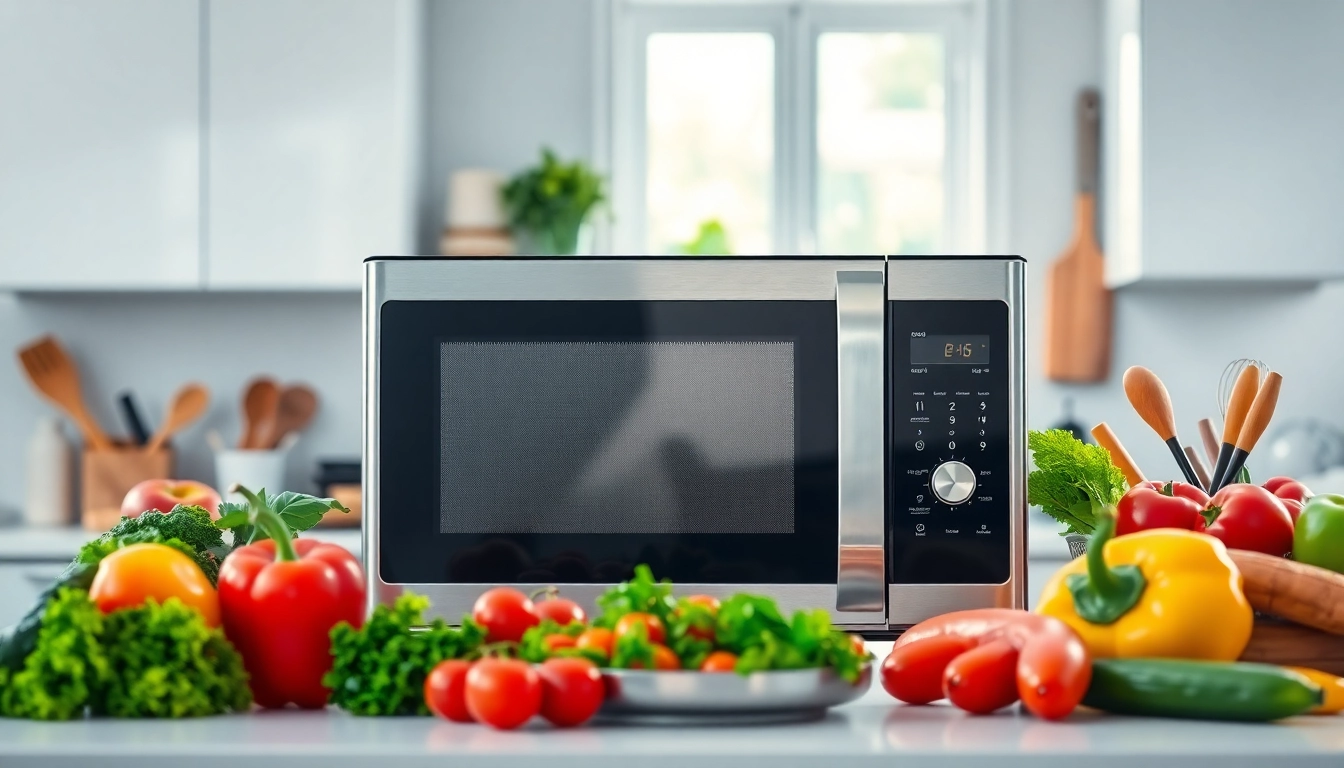
Understanding Microwave Ovens
What is a Microwave Oven?
A microwave oven is an electric appliance designed to heat and cook food by using electromagnetic radiation in the microwave frequency range. With the ability to cook food quickly and efficiently, these ovens have become an essential appliance in modern kitchens. Whether for reheating leftovers or preparing entire meals, a microwave oven serves a vital role in many households around the world.
How Microwave Ovens Work
Microwave ovens operate by emitting microwaves, which are a form of electromagnetic radiation. When food is placed inside the microwave, these waves excite the water molecules in the food, producing heat. This fast heating process allows food to be cooked in a fraction of the time it would take using traditional cooking methods. Most microwaves run on a simple principle: they have a magnetron component that generates microwave radiation, which then cooks the food from the inside out.
Types of Microwave Ovens
There are several types of microwave ovens available, each suitable for different cooking needs and kitchen spaces:
- Countertop Microwave: These are the most common type, compact and easy to use, made for placing on counters or surfaces.
- Over-the-Range Microwave: This option combines a microwave with a range hood, saving space while offering ventilation for the kitchen.
- Built-In Microwave: Seamlessly integrated into kitchen cabinetry, built-in microwaves offer a sleek, custom look.
- Convection Microwave: By using traditional oven heat along with microwave energy, these versatile units can bake and brown food.
- Microwave Drawer: Positioned lower in the kitchen, this type is convenient for accessibility, especially for those with mobility issues.
Choosing the Right Microwave Oven
Key Features to Look For
When selecting a microwave oven, several key features should be considered to ensure it meets your cooking needs:
- Power Output: Measured in watts, a higher power output (typically between 700 to 1200 watts) means faster cooking times.
- Size and Capacity: Ensure the microwave fits your available space and has adequate interior capacity for your cooking needs.
- Control Options: Look for user-friendly controls, including touchpads or dials, as well as preset cooking options for ease of use.
- Additional Features: Consider functionalities like sensor cooking, defrost settings, and easy-clean interiors.
Size and Capacity Considerations
The size and capacity of a microwave oven can significantly impact its functionality and convenience in your kitchen. Measured in cubic feet, most countertop models range from 0.5 to 2.2 cubic feet. A larger capacity is beneficial for families or for cooking larger dishes. When choosing the size, also consider the available kitchen space and ensure there’s adequate airflow around the unit for maintenance and efficiency.
Energy Efficiency Ratings
Energy efficiency in a microwave oven translates into savings on your electricity bills and a reduced environmental footprint. Look for models with good energy ratings, as they consume less energy without compromising on performance. Ovens featuring energy-saving settings or Eco Modes can help minimize energy consumption when the unit is not in use.
Popular Microwave Oven Recipes
Quick Microwave Meals
With a microwave oven, preparing meals can be quick and hassle-free. Here are a few popular meal ideas:
- Microwave Omelet: A quick and protein-packed meal can be prepared in just a few minutes using eggs, vegetables, and cheese.
- Steamed Vegetables: Microwave vegetables in a bowl with a little water to maintain their nutrients while cooking them swiftly.
- Rice or Quinoa: Cook rice or quinoa in the microwave with water for a quick side dish.
Desserts You Can Cook in a Microwave Oven
Microwave ovens can also create delicious desserts in minimal time:
- Mug Cakes: Quick to prepare, mug cakes use pantry staples to make a single serving dessert in minutes.
- Chocolate Lava Cake: This decadent dessert can be prepared using a microwave for melting chocolate and creating gooey centers.
- Banana Bread: A simple recipe that uses ripe bananas and basic ingredients to create a moist quick bread.
Healthy Microwave Oven Recipes
Healthy cooking is also possible with a microwave oven:
- Oatmeal: Prepare a hearty bowl of oatmeal easily by combining rolled oats and water or milk.
- Stuffed Peppers: Fill bell peppers with a mix of vegetables, grains, and protein, then microwave until tender.
- Hard-Boiled Eggs: Cook eggs in a microwave-safe container with water for a fast protein-packed meal.
Common Microwave Oven Issues
Troubleshooting Microwave Oven Problems
Microwaves, like any appliance, can encounter issues over time. Here are some common problems and solutions:
- Not Heating: Check if the door is properly sealed or if the power supply is consistent.
- No Power: Ensure that the microwave is plugged in and check the outlet for functionality.
- Strange Noises: A malfunctioning turntable or a loose part may cause unusual sounds; be sure to check for blockages.
Maintenance Tips for Longevity
To keep your microwave oven in optimal working condition, regular maintenance is essential. Here are a few tips:
- Clean Regularly: Wipe down the interior and exterior with mild soap and water to prevent food buildup.
- Avoid Metal Cookware: Use only microwave-safe containers, as metal can cause sparks and damage.
- Check Ventilation: Ensure vents are clear and do not block airflow, as this can lead to overheating.
When to Replace Your Microwave Oven
Even with the best maintenance, a microwave oven may eventually need replacement. Consider the following factors:
- Age: If your microwave is over 10 years old and showing inefficiency, it may be time to shop for a new model.
- Persistent Problems: Frequent repairs or ongoing issues often indicate that replacement is more cost-effective than repair.
- Outdated Features: New models have improved efficiency and features that can enhance your cooking experience.
Frequently Asked Questions
What is the average lifespan of a microwave oven?
The average lifespan of a microwave oven is generally between 9 to 10 years, depending on usage and maintenance.
How can I safely clean my microwave oven?
You can safely clean your microwave by using a mixture of water and vinegar or lemon juice. Wipe down surfaces with a soft cloth.
What features make a microwave oven energy-efficient?
Energy-efficient microwave ovens often have sensor cooking, inverter technology, and energy-saving settings that reduce power consumption.
Can I cook everything in a microwave oven?
While microwaves are versatile, they are best used for reheating, defrosting, and cooking certain foods, but not all dishes.
What size microwave oven do I need for my kitchen?
The ideal size depends on your space and cooking habits, but a range between 1.0 to 2.0 cubic feet suits most needs.