
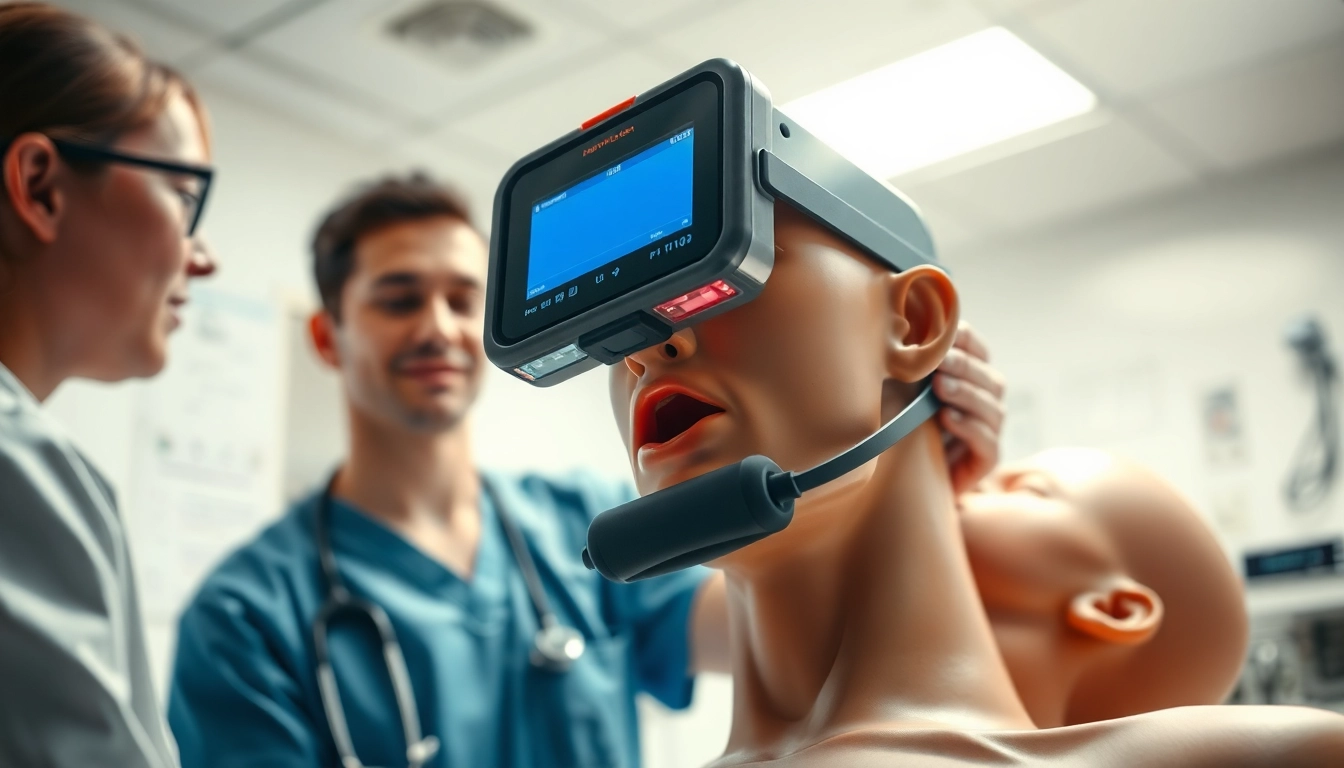
Introduction to Choking Rescue Devices
Choking is a serious and often life-threatening emergency that can occur suddenly and without warning. It is a critical situation that requires immediate action, and having the right tools can make all the difference. This is where a choking rescue device comes into play. These specialized devices are designed to assist in the effective and timely relief of choking incidents, ensuring that help is on hand when it's needed the most.
What is a Choking Rescue Device?
A choking rescue device is a tool specifically engineered to alleviate choking by dislodging food or objects from a person's airway. These devices come in various forms, including manual suction devices, air inflators, and mechanical aids designed to create pressure that forces obstructions free. Understanding the mechanics and functionality of these tools can empower bystanders, caregivers, and first responders to intervene effectively during a choking emergency.
When to Use a Choking Rescue Device
Knowing when to use a choking rescue device is crucial. These devices should be utilized when a person is unable to breathe, speak, or cough effectively and shows clear signs of distress. Immediate recognition of these signs can save lives. It's essential to remember that if the person is still able to cough or breathe to some degree, they can potentially expel the object on their own, and intervention might not be necessary yet.
Common Types of Choking Rescue Devices
Choking rescue devices vary widely in design and function, each serving a specific purpose:
- Abdominal Thrust Devices: Also known as the Heimlich maneuver devices, these work by applying pressure to the abdomen to expel the blockade.
- Suction Aids: These devices use suction to draw obstructions from the airway.
- Manual Inflation Devices: They create a burst of air that helps to clear the obstruction.
- Bag-Valve Mask Systems: Although primarily used for resuscitation, these can also help in specific choking situations by providing positive pressure.
Understanding Choking Emergencies
Causes and Risk Factors of Choking
Numerous factors contribute to choking incidents, which can range from dietary choices to personal health conditions. The leading causes of choking include:
- Inappropriate Food Choices: Hard candies, grapes, and meat are among the most common choking hazards, especially for young children and the elderly.
- Medical Conditions: Certain conditions such as neuromuscular diseases, cognitive impairments, or esophageal issues can increase choking risks.
- Improper Eating Habits: Eating too quickly, talking while eating, or not chewing food properly can lead to choking.
Awareness of these factors can help in reducing the risk of choking emergencies.
Signs and Symptoms of Choking
Recognizing the signs and symptoms of choking is key to responding effectively:
- Inability to Breathe: The person may grasp their throat, indicating blockage.
- Coughing and Gagging: While these are signs that air is still moving, it may not be enough to dislodge the object.
- Blue-tinted Skin: Cyanosis around the lips and finger tips may indicate a lack of oxygen.
- Loss of Consciousness: A very serious sign, this indicates that immediate intervention is necessary.
The Importance of Immediate Response
Choking can lead to permanent brain damage or death within minutes due to lack of oxygen. This emphasizes the importance of a swift response. Bystanders should be trained to act quickly and utilize choking rescue devices where appropriate to increase the chances of a successful outcome.
How to Effectively Use a Choking Rescue Device
Step-by-Step Guide for Proper Usage
The effective use of a choking rescue device requires knowledge and practice. Follow this step-by-step guide:
- Assess the Situation: Determine if the person is truly choking by checking their ability to breathe and cough.
- Get the Device: Retrieve the appropriate choking rescue device if available.
- Position the Victim: Ensure the victim is in a safe position, typically sitting upright if conscious.
- Utilize the Device: Follow the specific instructions that accompany the device, as different devices have different operational protocols.
- Call for Help: Even if the situation appears under control, it is vital to call emergency services.
Safety Precautions to Consider
While using a choking rescue device, it is important to keep safety in mind:
- Always check the device for any damage or expiration dates before use.
- Ensure that all users have undergone proper training.
- Do not hesitate to remove the device if it seems ineffective or if the victim’s condition worsens.
Practicing with a Choking Rescue Device
Regular practice with choking rescue devices is crucial for effective usage during emergencies.
- Attend workshops that use simulations to practice response to choking situations.
- Review the manufacturer's instructions periodically to reinforce proper techniques.
- Conduct drills in various settings, such as homes, schools, and workplaces, to ensure preparedness.
Best Practices for First Responders and Caregivers
Training Recommendations
For first responders and caregivers, training is essential. Recommended programs include:
- American Red Cross First Aid/CPR/AED training, which covers choking emergencies extensively.
- Workshops on specific choking rescue devices, including hands-on practice sessions.
- Regular refresher courses to stay updated with the latest techniques and devices.
Integrating Devices into Emergency Protocols
Establishing and refining emergency protocols that incorporate choking rescue devices can streamline responses. Consider these steps:
- Identify key personnel who will have primary responsibility for deploying the device.
- Ensure devices are easily accessible in common choking areas (kitchens, classrooms, etc.).
- Drill protocol responses at regular intervals to ensure everyone knows their roles.
Maintaining and Inspecting Choking Rescue Devices
Regular maintenance of choking rescue devices is critical. Follow these guidelines:
- Conduct routine inspections to check for wear and functionality.
- Follow manufacturer maintenance recommendations to ensure longevity and reliability.
- Replace any expired or damaged devices immediately to uphold safety standards.
Evaluating the Effectiveness of Choking Rescue Devices
Measuring Success in Choking Interventions
The effectiveness of a choking rescue device can be evaluated through several metrics:
- Success rates: Track the number of successful interventions compared to attempts.
- Duration of interventions: Measure the time it takes to clear obstructions.
- Clinical outcomes: Follow up with patients to assess any remaining complications after choking incidents.
Real-Life Case Studies and Testimonials
Real-life scenarios can help illustrate the importance and effectiveness of choking rescue devices:
Case Study 1: In a busy restaurant, a patron began choking on a piece of steak. The waiter utilized a choking rescue device, performing quick and effective abdominal thrusts that successfully dislodged the food, saving the customer's life.
Testimonial: A mother recounted her experience when her child began choking on a grape. Thanks to a choking rescue device she had learned to use, the situation was resolved quickly, highlighting the importance of preparedness and training.
Continuing Education and Resources
To ensure long-term effectiveness in using choking rescue devices, continuous education is vital. Resources include:
- Online courses from reputable organizations such as the American Heart Association.
- Mobile apps designed to teach first-aid practices, including choking rescue techniques.
- Community workshops which provide hands-on training and knowledge sharing.