Understanding Custom Steel Fabrication
What is Custom Steel Fabrication?
Custom steel fabrication refers to the process of designing and constructing steel structures according to specific project requirements. Unlike standard production methods, custom fabrication involves a tailored approach to meet unique project specifications, encompassing everything from design to fabrication and finishing. These projects commonly include structural components for buildings, bridges, and custom industrial equipment. Through processes like cutting, welding, and assembly, skilled fabricators convert raw material into functional and aesthetically pleasing structures. Businesses seeking personalized metalwork can greatly benefit from engaging in custom steel fabrication, which allows for greater flexibility and innovation in design.
Key Processes in Custom Steel Fabrication
Custom steel fabrication involves several vital processes that transform raw steel into finished products. Understanding these processes can significantly enhance project outcome expectations.
- Design & Engineering: This is the initial phase where concepts are developed using advanced CAD software, creating detailed blueprints that guide the fabrication process.
- Cutting & Shearing: Once designs are finalized, raw steel is cut or sheared into specified sizes and shapes using techniques such as plasma cutting, waterjet cutting, and laser cutting.
- Forming: In this phase, the cut steel components are bend, shaped, or molded into desired configurations through processes like bending or rolling.
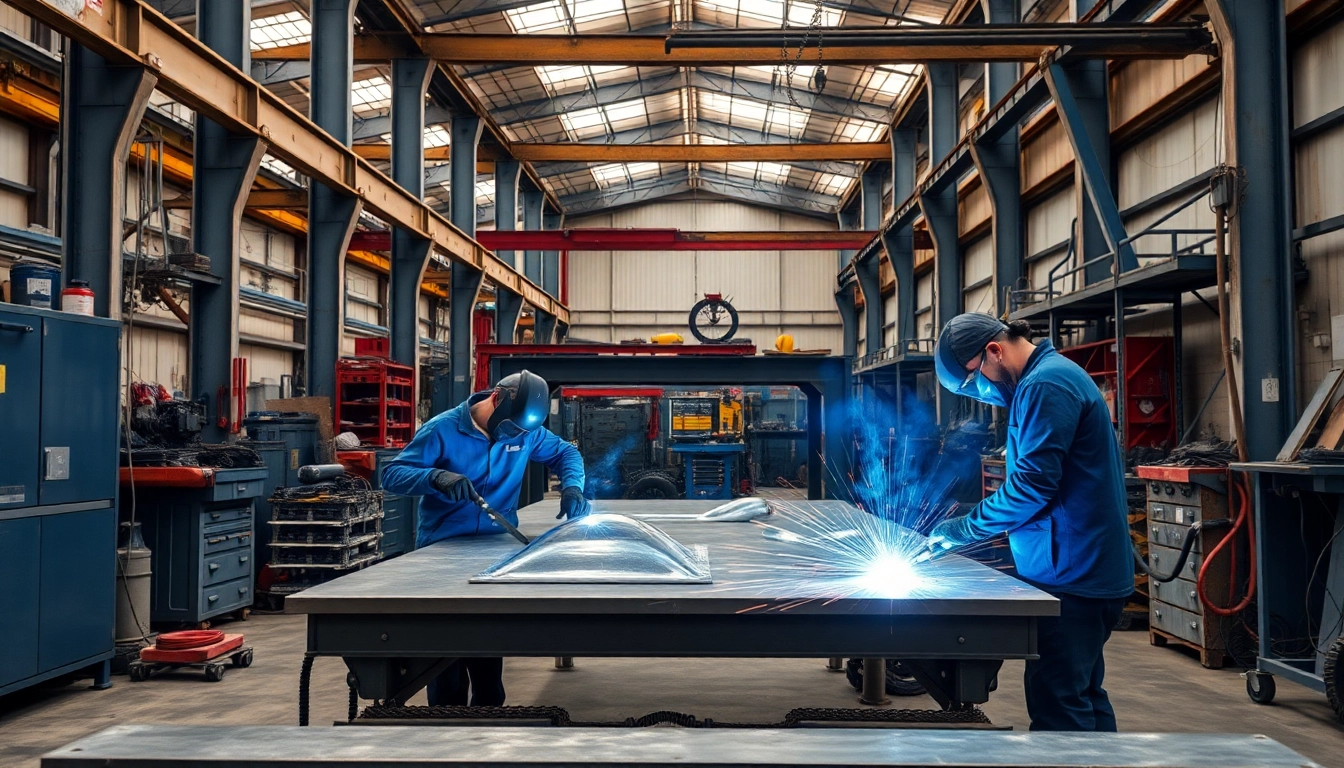
- Welding: Various welding techniques, including MIG, TIG, and Stick welding, are employed to join metal components securely, ensuring structural integrity.
- Finishing: The final steps may include surface treatments such as powder coating or galvanization, enhancing durability and aesthetic appeal.
Applications of Custom Steel Fabrication
Custom steel fabrication is utilized across numerous industries. Understanding its applications can help businesses leverage its capabilities effectively.
- Construction: Many structural elements like beams, columns, and trusses used in buildings and infrastructure projects are fabricated to meet exact specifications.
- Manufacturing: Custom fabrication aids manufacturers in creating specialized machinery and tools tailored to production needs.
- Aerospace: Components in the aerospace industry often require precision and less weight, demanding highly customized solutions in steel fabrication.
- Automotive: From chassis to custom bodywork, the automotive sector frequently relies on custom fabrication for innovative designs and functional performance.
- Art Installations: Artists and designers often use custom steel fabrication to create unique sculptures and installations, blending art with engineering.
Technology and Techniques in Custom Steel Fabrication
Advanced Tools for Custom Steel Fabrication
Innovation in the tools and technologies used in custom steel fabrication is paramount for enhancing efficiency and precision. Here are the key tools that fabricators utilize:
- Laser Cutters: Facilitate precise and intricate cuts, minimizing material waste.
- Plasma Cutters: Ideal for cutting thick materials quickly and efficiently, particularly for large-scale projects.
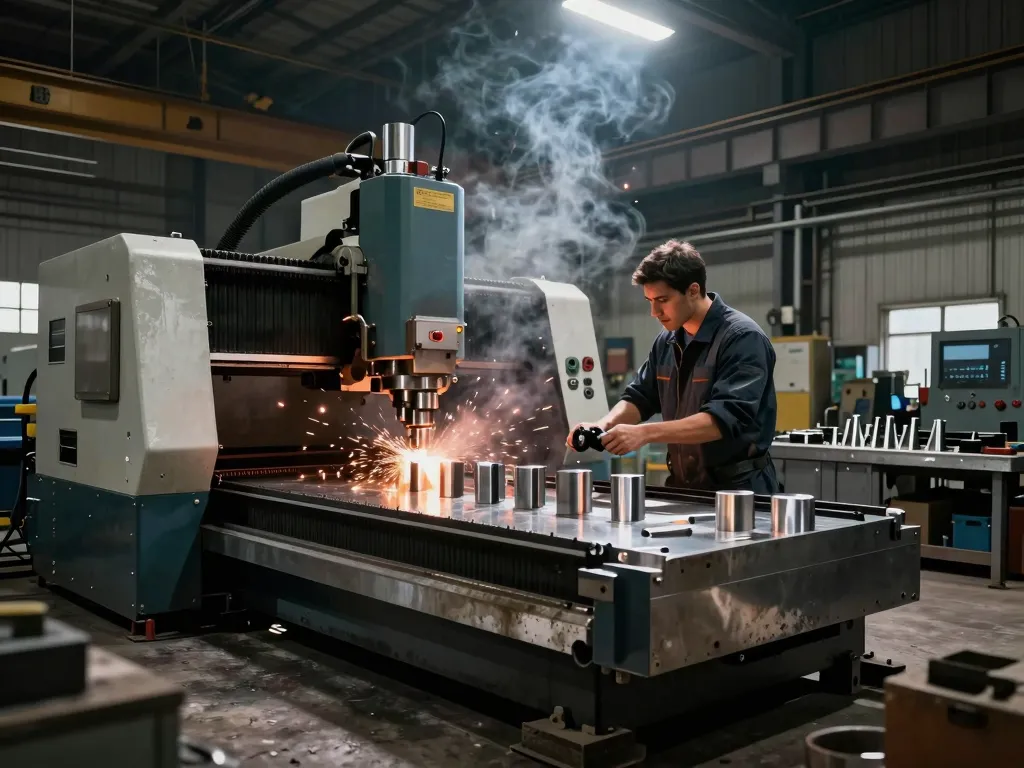
- CNC Machines: Computer Numerical Control machines automate fabrication processes, increasing consistency and accuracy in fabrication.
- Bending Machines: These machines allow for accurate shaping of metal components without compromising their structural integrity.
- Welding Robots: Introduce efficiency and high-quality welds by automating the welding process.
Innovative Techniques in Custom Steel Fabrication
In the evolving landscape of fabrication, innovative techniques are emerging, enhancing the efficacy of custom steel fabrication:
- 3D Printing: Although traditionally associated with plastic, metal 3D printing is gaining traction, allowing for rapid prototyping and design customization.
- Modular Fabrication: This method involves creating pre-fabricated sections off-site, which can be assembled on-site, reducing construction time and labor costs.
- Robotic Welding: Employing automation in welding processes ensures precision and repeatability, minimizing human errors and labor costs.
- Smart Technology: Integration of IoT devices provides real-time monitoring of fabrication processes, enhancing efficiency and quality control.
Benefits of Modern Technology in Custom Steel Fabrication
The benefits of utilizing modern technology within custom steel fabrication are substantial:
- Increased Efficiency: Automation reduces labor costs and processing times, enabling fabricators to complete projects more quickly.
- Improved Accuracy: Advanced tools reduce errors, ensuring products fit precisely as designed, which is essential for structural integrity.
- Enhanced Customization: Technologies like 3D printing facilitate the production of complex designs that would be challenging or impossible to achieve through traditional methods.
- Reduced Waste: Precise cutting techniques and advanced inventory management minimize raw material wastage, contributing to cost savings and sustainability.
Choosing a Custom Steel Fabrication Partner
Qualities to Look for in Custom Steel Fabrication Companies
Selecting the right partner for custom steel fabrication is crucial for project success. Here are the qualities one must consider:
- Experience: Look for companies with extensive experience in your project type, which can reduce risks and ensure quality results.
- Technical Expertise: A robust team of engineers and skilled fabricators is essential for navigating complex projects and troubleshooting issues.
- Quality Assurance: Companies that adhere to strict quality control standards ensure that every aspect of the fabrication process meets industry regulations.
- Customer Service: Reliable communication and support before, during, and after the project are essential for building a strong partnership.
- Portfolio: Reviewing previous projects can provide insight into the company’s capabilities, style, and suitability for your needs.
Understanding Cost Structures in Custom Steel Fabrication
Understanding how costs are determined in custom steel fabrication can help manage budgets and expectations effectively:
- Material Costs: Pricing varies based on steel grade, quantity required, and current market fluctuations.
- Labor Costs: Skilled workmanship can significantly impact the cost, with more intricate designs requiring more labor.
- Design Complexity: More complicated designs typically incur higher engineering and fabrication fees due to increased time and resources required.
- Additional Services: Services like finishing or custom assembly should also be factored into total project costs.
Assessing Customer Reviews for Custom Steel Fabrication Services
When selecting a custom steel fabrication partner, customer reviews can provide critical insights:
- Quality of Work: Positive feedback regarding workmanship indicates a company’s efficiency and attention to detail.
- Timeliness: Reviews that mention on-time delivery are vital, especially for projects on tight schedules.
- Customer Service: High ratings in communication and support signal a company’s dedication to client satisfaction.
- Long-term Relationships: Companies that have repeat clients often demonstrate reliability and quality service.
Challenges in Custom Steel Fabrication
Common Challenges in Custom Steel Fabrication Projects
Custom steel fabrication projects do encounter challenges that can hinder progress:
- Material Shortages: Fluctuations in the availability of raw materials can cause delays and increased costs.
- Design Modifications: Last-minute design changes can significantly impact schedules and budgets if not managed properly.
- Technology Limitations: Not all companies may have access to the latest fabrication technologies, leading to inefficiencies.
- Workforce Issues: Labor shortages or inadequately trained staff can result in quality issues and project delays.
Solutions and Best Practices in Custom Steel Fabrication
Adopting best practices can mitigate challenges faced in custom steel fabrication:
- Thorough Planning: Detailed project planning that includes contingency strategies can reduce the risk of unforeseen issues.
- Early Material Procurement: Securing materials at the outset of a project can prevent delays caused by shortages.
- Continuous Training: Regular training programs for employees can ensure high-quality workmanship and keep the workforce up-to-date with new technologies.
- Effective Communication: Maintaining transparency between all stakeholders facilitates smoother modifications and adjustments.
Managing Delays and Costs in Custom Steel Fabrication
Effective management strategies can keep projects on track and within budget:
- Regular Monitoring: Tracking progress through scheduled reviews helps identify potential delays early on.
- Flexible Budgets: Allocating a buffer in budgets can accommodate unexpected costs without jeopardizing project completion.
- Collaboration with Suppliers: Building relationships with reliable suppliers can ensure faster response times and prioritized service during shortages.
- Utilizing Project Management Tools: Implementing software can streamline processes and enhance real-time project visibility.
Future Trends in Custom Steel Fabrication
Emerging Trends in Custom Steel Fabrication
As industry standards evolve, several trends are emerging in custom steel fabrication:
- Increased Automation: More companies are adopting automated systems to improve production efficiency and reduce human error.
- Digitization: The move toward digital fabrication processes enables customization at scale, enhancing design flexibility.
- Augmented Reality: This technology is being utilized for design visualization and project planning, improving client engagement.
The Role of Sustainability in Custom Steel Fabrication
Sustainability is becoming increasingly important in the steel industry, with several practices gaining traction:
- Recycled Materials: Utilizing recycled steel reduces environmental impact and conserves natural resources.
- Energy Efficiency: Techniques to enhance energy efficiency in fabrication processes are becoming integral to sustainable leadership.
- Waste Reduction: Implementing lean manufacturing practices can help minimize waste and improve material utilization.
Predictions for the Future of Custom Steel Fabrication
The future of custom steel fabrication looks promising with anticipated advancements that will reshape the industry. Expectations include:
- Greater Integration of AI: Artificial intelligence is predicted to enhance design processes and predictive maintenance.
- Smart Fabrication: The incorporation of IoT devices for real-time data collection and process management will optimize performance.
- Focus on Customization: As clients demand more personalized solutions, the importance of flexibility in fabrication processes will increase.
FAQs
What is custom steel fabrication?
Custom steel fabrication involves creating tailored steel components and structures based on specific design requirements and project needs, ensuring unique and functional outcomes.
What are the benefits of custom steel fabrication?
Benefits include precise customization, enhanced design flexibility, high-quality materials, and the ability to meet specific project timelines and budgets, optimizing construction efficiency.
How long does a custom steel fabrication project take?
The duration depends on project complexity, size, and the fabrication company’s workload. Typically, standard projects can take from a few weeks to several months to complete.
What industries use custom steel fabrication?
Industries like construction, manufacturing, aerospace, automotive, and art installations frequently utilize custom steel fabrication for tailored solutions in their projects.
How can I choose the right custom steel fabrication partner?
Consider factors like experience, technical expertise, quality assurance practices, customer service reputation, and review previous work to make an informed decision.