
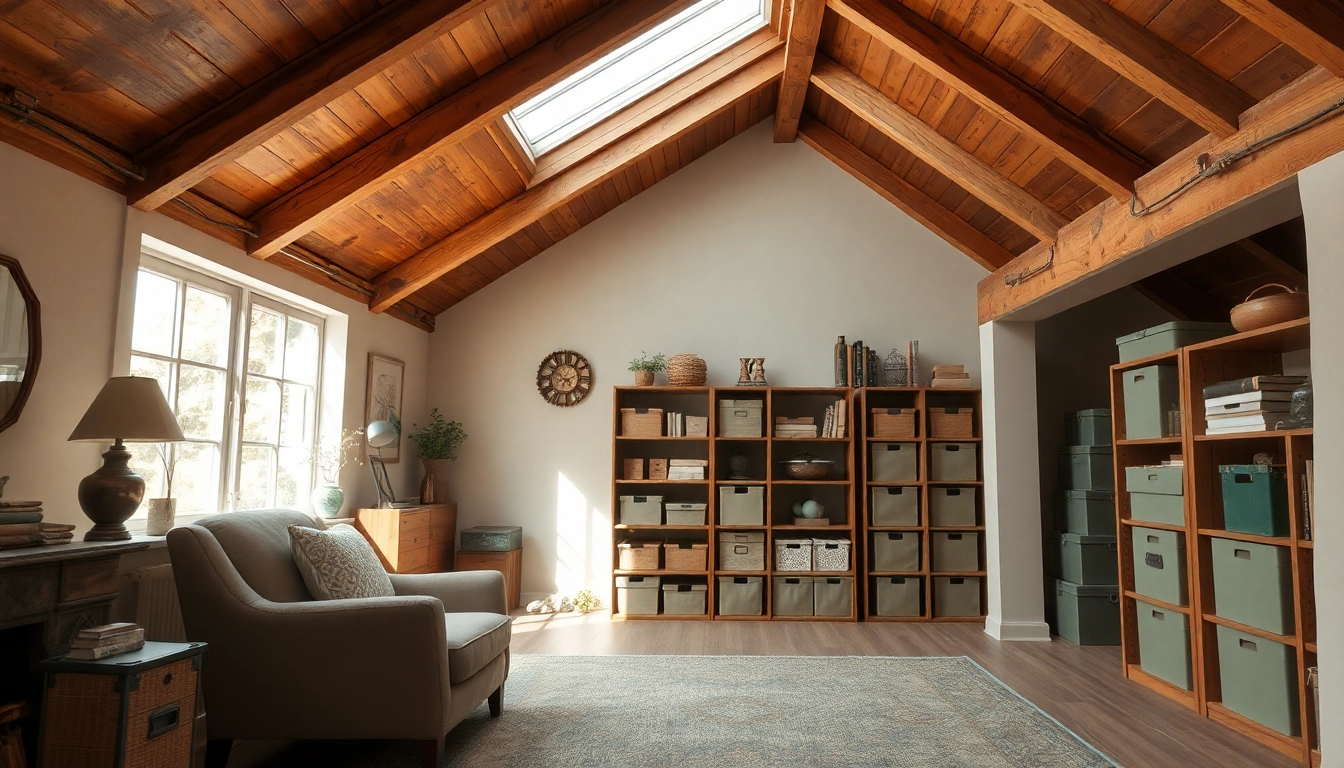
Understanding Attics: Common Uses and Benefits
Attics have become increasingly popular spaces in modern homes, serving not only as catch-alls for seasonal items but also as versatile areas that can be transformed into functional living spaces. The beauty of attics lies in their ability to be tailored to fit individual needs, whether that involves storage solutions, creative uses as extensions of living spaces, or quiet nooks for reading and relaxation. Below, we will explore the various configurations, benefits, and creative ideas specific to utilizing attics effectively.
Exploring Different Attics Configurations
Attics can vary dramatically in size, shape, and structure, influencing how they can be used. Standard configurations include:
- Sloped Roof Attics: Common in traditional homes, these require creative shelving solutions to maximize usable space.
- Walk-up Attics: These spaces typically feature sufficient headroom and can be developed as additional rooms or storage.
- Crawl Space Attics: Usually less than six feet tall, these attics are primarily for utility access, not regular use.
- Cathedral Ceilings: This design opens up the space, allowing for creative lighting and storage solutions that draw the eye upward.
Each configuration presents unique opportunities and challenges in terms of both design and functionality.
Benefits of Using Attics for Storage
The primary advantage of utilizing attics is the added storage space they provide. Here are some specific benefits:
- Clutter Reduction: By storing seasonal items and infrequently used belongings, homeowners can keep living areas tidy and organized.
- Increased Property Value: Well-managed attics can increase the resale value of a home, offering potential buyers more usable space.
- Personalization Options: Homeowners can personalize attics to fit their unique storage needs, from fashion collections to holiday decorations.
Creative Ideas for Attic Spaces
Beyond mere storage, attics offer unique opportunities for creativity. Here are several innovative ideas for transforming attics into personalized areas:
- Home Offices: Create a quiet, productive environment for telecommuting or freelance projects.
- Reading Nooks: A cozy corner with built-in bookshelves makes for an ideal retreat for book lovers.
- Guest Rooms: Transform the attic into a stylish guest suite for visiting family and friends.
- Art Studios: Ample natural light makes attics perfect for painting or crafting.
Planning and Designing Your Attics
When it comes to transforming an attic space, careful planning and design considerations are paramount. Starting with a strong foundation will ensure that the end results are both functional and aesthetically pleasing.
Assessing Space and Size Considerations
Before diving into design enhancements, it's crucial to assess the attic's dimensions and layout:
- Vertical Space: Measure the peak height to determine how to utilize vertical space effectively.
- Floor Area: Evaluate the floor space to decide how much furniture or shelving can fit comfortably.
- Access Points: Ensure that stairs or ladders provide safe and easy access to the attic space.
Choosing Appropriate Materials and Styles
The selection of materials and design styles will significantly influence the overall look and function of your attic. Some recommended material considerations include:
- Flooring: Plywood offers a durable and affordable flooring option while carpets can enhance comfort.
- Insulation: Proper insulation techniques will help in regulating temperature fluctuations throughout the year.
- Wall Treatments: Use lighter colors to enhance brightness and create an illusion of space.
Essential Design Tips for Efficiency
Efficiency is crucial for making the most out of an attic space. Here are a few tips to ensure your design is functional:
- Built-in Storage Solutions: Consider creating built-in shelving or cabinets to maximize floor space.
- Multi-Functional Furniture: Opt for furniture that can serve dual purposes, like a bed with under-bed storage.
- Natural Lighting: Install windows or skylights to minimize reliance on artificial lighting, creating an inviting atmosphere.
Storage Solutions for Attics
Effective storage solutions transform clutter into organized collections, allowing easy access and a tidy appearance.
Innovative Shelving and Storage Units
Using innovative shelving and storage units can greatly enhance the usability of the attic:
- Modular Shelving: This flexible system allows you to adjust and customize configurations depending on your needs.
- Clear Bins: For seasonal decorations or sports equipment, clear bins can simplify locating items within containers.
- Overhead Storage Racks: Utilize vertical space by storing less frequently used items overhead, freeing up floor space.
Utilizing Vertical Space Effectively
Maximizing vertical space can significantly impact functionality:
- Wall-Mounted Racks: These can hold bikes or tools, freeing floor space for other uses.
- Hooks and Pegboards: Strategically place these for easy access to everyday items.
- Stackable Boxes: Perfect for creating a tidy storage solution without consuming much room.
Creating Multi-Functional Areas
Designing areas that serve multiple purposes makes an attic even more valuable:
- Creative Workspaces: By combining an office and a craft area, the space can cater to various activities.
- Convertible Guest Spaces: Use a Murphy bed or pull-out couch to easily convert the space from an office to a guest room.
- Exercise Zones: Dedicate a corner for fitness equipment that can also be part of a leisure lounge.
Maintaining and Organizing Your Attics
Once your attic is organized and set up for use, regular maintenance and organization can help maintain functionality over time.
Best Practices for Cleaning and Maintenance
Regular cleaning is essential to prevent dust accumulation and potential pest issues. Here are some key maintenance practices:
- Routine Inspections: Check for signs of leaks, animal infestations, or mold growth at least bi-annually.
- Dusting and Vacuuming: Regularly clean surfaces and vacuum corners to reduce allergens.
- Update Insulation: Insulation may need refreshing or replacing after several years for optimal efficiency.
Organizational Tools and Techniques
Effective organizational tools will ensure that everything has a designated space:
- Labeling Systems: Every box or bin should be labeled for easy identification.
- Checklists: Maintain a checklist of stored items for quick reference, reducing the need for rummaging.
- Categorization: Group items by purpose, such as holiday items, sports gear, or seasonal clothing.
Tips for Seasonal Storage Management
Managing seasonal items can be simplified with a systematic approach:
- Plan Ahead: Have a dedicated section in the attic for seasonal items that you can easily access as seasons change.
- Rotate Arrangements: Shift boxes or items seasonally, placing the most relevant ones at the forefront.
- Checklists for Exchanging Seasons: Create a seasonal checklist detailing what needs to be swapped out or checked.
Frequently Asked Questions about Attics
What are the benefits of utilizing attics for storage?
Attics provide extra space to store seasonal items, reducing clutter in living areas, and can be tailored for various uses like reading nooks or workspaces.
How can I maximize the space in my attics?
Use vertical storage solutions, create modular shelving, and add multi-functional furniture to enhance usability and organization in your attics.
What materials are best for attic flooring?
Consider using plywood for durability, carpet tiles for comfort, or laminate for a finished look that can withstand temperature changes in attics.
How to maintain my attics effectively?
Regularly check for leaks, dust surfaces, and ensure good ventilation to prevent mold. Organize items seasonally for optimal efficiency.
Are there any special insulation needs for attics?
Yes, insulation is essential to regulate temperature. Use spray foam or fiberglass insulation to keep attics comfortable year-round.