
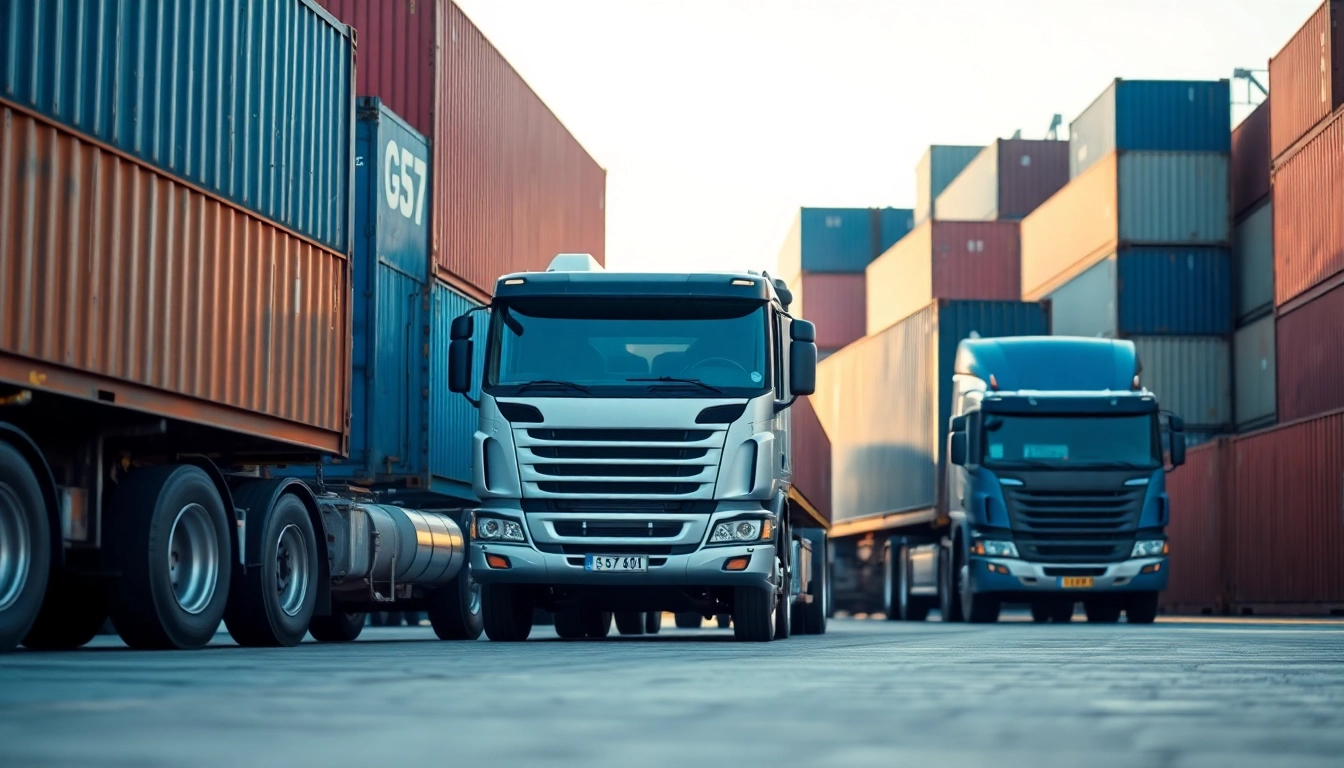
What is Drayage and Its Importance?
Drayage plays a critical role in the logistics and supply chain industries by facilitating short-distance transportation of shipping containers, primarily by truck. Understanding this essential service is vital for businesses that rely on shipping goods efficiently and effectively. Within the complex world of logistics, drayage acts as a bridge, connecting major transportation hubs and ensuring that the flow of goods meets demand and minimizes delays. Drayage operations are essential for managing the movement of goods in the supply chain, enhancing efficiency, and reducing overall costs.
The Definition of Drayage
Drayage is defined as the transport of freight over a short distance, typically not exceeding 50 miles. It generally involves the movement of goods in shipping containers from ports to various destinations, including warehouses, distribution centers, and other transportation modes. This type of transportation represents an integral part of a larger logistics process, often serving as the initial or final leg of a goods movement journey.
How Drayage Fits into Supply Chain Logistics
In supply chain logistics, drayage is crucial for maintaining efficiency and fluidity. It serves as a necessary transition point in logistics operations, where goods shift from ocean or rail carriers to ground transportation. Drayage is particularly relevant for international shipping, as it manages the land transport of containers from ports to inland destinations. This step is vital for ensuring timely delivery, lowering transportation costs, and meeting customer demands, particularly in an increasingly competitive e-commerce landscape.
Signature Characteristics of Drayage Services
Drayage services are characterized by several key factors:
- Short-distance transport: The primary hallmark of drayage is that it moves goods over a short distance, typically within 50 miles of a transportation hub.
- Time sensitivity: Drayage often involves tight schedules and urgent timelines, requiring quick turnaround times to minimize delays and costs.
- Containerized freight: Drayage primarily deals with shipping containers, making it essential for intermodal transport operations.
- Coordination between modes: Drayage requires excellent coordination among multiple transportation modes (ocean, rail, truck) to ensure successful transitions and minimize cargo downtime.
Different Types of Drayage Services
Port Drayage: Essential Connections between Sea and Land
Port drayage represents the transportation of shipping containers from unloading docks at major ports to distribution facilities or other terminals. It is characterized by its connection to the maritime transport sector, as it includes picking up containers from ships or container terminals and transporting them to different destinations, such as rail ramps or warehouses. This service plays a crucial role in ensuring the smooth flow of goods entering the commerce stream and necessitates efficient planning and execution to optimize throughput at ports.
Intermodal Drayage: Efficiency Across Multiple Modes of Transport
Intermodal drayage involves the transportation of goods across different modes of transportation, combining the strengths of each method. For instance, it may entail moving a container from a rail yard to a final delivery location by truck. This type of drayage often optimizes cost and time efficiency by leveraging the benefits of multiple transportation modes: rail provides a cost-effective option for long-haul transport, while drayage trucks can serve urban areas where rail infrastructure may be lacking. Intermodal drayage is an increasingly popular choice, especially as companies aim to reduce their carbon footprints and enhance operational efficiency.
Expedited Drayage: Meeting Tight Deadlines
Expedited drayage is utilized when time is of the essence. Businesses rely on expedited services when they face urgent delivery needs, such as last-minute orders or missing supplies. This type of drayage is characterized by priority handling and expedited transport to ensure timely delivery. While it often comes at a higher cost, the benefits of meeting customer expectations and maintaining supply chain integrity can outweigh the additional expenses. Companies that specialize in expedited drayage often have dedicated resources in place to expedite cargo processing and transport efficiently.
Challenges and Considerations in Drayage
Traffic and Congestion Risks
One of the significant challenges within the drayage sector is traffic congestion, particularly in proximity to major ports and urban areas. Congestion can lead to delays in pick-up and drop-off times, negatively impacting overall supply chain efficiency. Companies must proactively plan their routes and picking schedules while also accounting for potential traffic variances or port delays. Utilizing advanced routing technologies and real-time traffic updates can help mitigate these issues.
Demurrage and Its Impact on Costs
Demurrage refers to the charges incurred when containers are not picked up or delivered in a timely manner. This cost can significantly impact overall logistics expenses, especially when delays are frequent or unexpected. Companies must prioritize efficient drayage operations, closely monitoring schedules, and implementing improved forecasting techniques to minimize the risk of incurring demurrage charges. Open lines of communication with port operators and clients can also help prevent delays that might lead to added costs.
Regulatory Compliance Challenges
Drayage operations are subject to various regulatory frameworks, including safety, environmental, and operational standards. Compliance with these regulations can be challenging, particularly for businesses operating in multiple jurisdictions. It is crucial for businesses to stay updated on the regulatory landscape, invest in driver training, and implement compliance protocols to avoid penalties or other legal complications. Partnering with knowledgeable logistics providers can assist organizations in navigating these complex regulations effectively.
Best Practices for Implementing Drayage Solutions
Technology and Tracking Systems for Efficiency
Implementing the latest technology is critical for improving drayage efficiency. Advanced tracking systems that provide visibility throughout the supply chain allow businesses to monitor the movement of containers in real time. These systems can enhance route optimization, streamline communications with truck drivers, and minimize the potential for delays. Utilizing Internet of Things (IoT) devices can also help track container conditions and ensure that shipments are safe throughout their journey.
Choosing Reliable Drayage Partners
Selecting the right drayage partners is essential for delivering quality service. Companies should prioritize partners with a proven track record of reliability, effective communication, and stringent compliance with regulations. When evaluating potential drayage providers, businesses should consider their experience, fleet capabilities, technology utilization, and reputation in the industry. Conducting detailed performance reviews and customer feedback assessments can guide prudent decision-making when selecting a drayage partner.
Optimizing Routes for Cost and Time Efficiency
Route optimization strategies are vital for reducing operational costs and enhancing delivery efficiency in drayage operations. Advanced route optimization technologies can analyze real-time traffic data and historical performance metrics to identify the most efficient routes. Integrating these solutions can help mitigate congestion impacts, lower fuel expenses, and ultimately improve service delivery. Additionally, planning routes based on customer demands and geographical locations can further optimize drayage operations.
Future Trends in the Drayage Sector
Impact of E-commerce on Drayage Demand
The growth of e-commerce has profoundly affected drayage demand, as online shopping continues to increase the need for efficient delivery solutions. Retailers are increasingly relying on agile logistics networks capable of responding rapidly to customer demands. As a result, drayage services must expand to meet the rising expectations for speed and reliability in deliveries. Logistics companies that tap into e-commerce trends will find opportunities to enhance their services and capture market share within this growing sector.
Sustainability Practices in Drayage Transportation
With increasing awareness of environmental impact, sustainability practices in drayage are becoming a focal point for logistics companies. Strategies may include adopting electric vehicles, optimizing shipping practices for reduced emissions, and implementing green initiatives within warehouses and distribution centers. Sustainable drayage not only helps in reducing a company’s carbon footprint but can also enhance brand reputation and compliance with emerging environmental regulations, positioning businesses as leaders in sustainability within the industry.
The Role of Automation in Improving Drayage Operations
Automation is paving the way for enhanced operational efficiency in the drayage sector. Automated systems can facilitate various operations, ranging from container tracking to route optimization and workflow management. Implementing automation technologies can reduce human error, streamline documentation processes, and expedite cargo handling times, allowing companies to operate more efficiently. As these technologies continue to evolve, they are expected to play an even greater role in shaping the future of drayage services.