Understanding LVP Flooring
What is LVP Flooring?
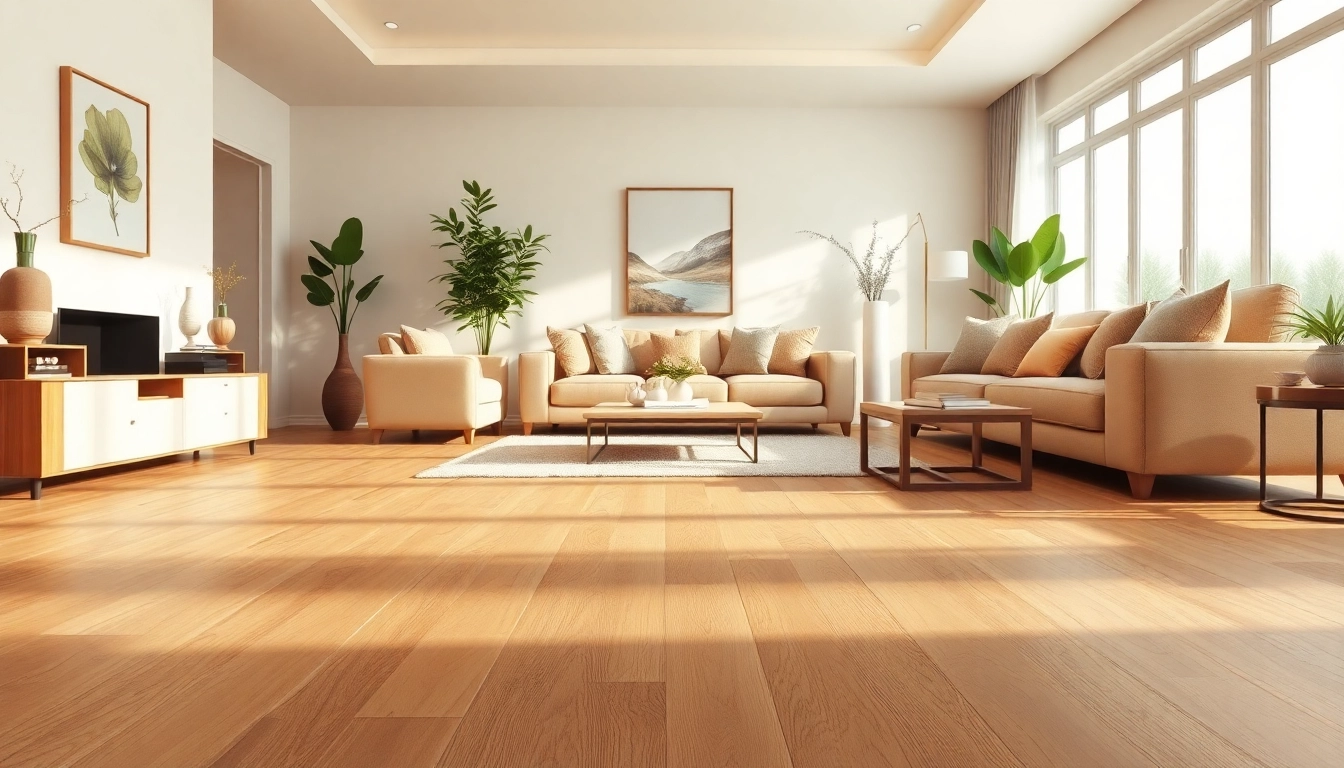
Luxury Vinyl Plank (LVP) flooring is a modern and innovative flooring solution designed to replicate the look of traditional hardwood as well as other natural materials, but with enhanced resilience and affordability. LVP flooring is constructed from multiple layers, featuring a high-resolution photographic layer that mimics the appearance of wood, stone, or other materials. This makes it an attractive option for homeowners who desire the aesthetic appeal of natural materials without the associated costs or maintenance issues. For many, lvp flooring serves as a versatile and stylish choice for various interior spaces.
Benefits of LVP Flooring
The popularity of LVP flooring can be attributed to its numerous benefits, making it a desirable option for many households:
- Durability: LVP offers exceptional durability, resistant to scratches, stains, and wear, making it perfect for high-traffic areas.
- Water Resistance: Many LVP products come with a waterproof core, ideal for kitchens, bathrooms, and basements.
- Easy Installation: With a click-lock installation system, many homeowners can install LVP themselves, saving on labor costs.
- Variety of Designs: There is an extensive range of colors, patterns, and textures available, allowing you to customize your interior aesthetics.
- Comfort: LVP is softer underfoot compared to traditional hardwood or tile, providing added comfort for prolonged standing.
Different Types of LVP Flooring
LVP flooring comes in various types, each tailored to different needs and preferences. Understanding these can help you make an informed decision:
- Rigid Core LVP: Known for its stability and durability, this type is designed for areas with fluctuating temperatures.
- Flexible LVP: Lighter in weight and easier to work with, flexible LVP is suitable for areas without extreme temperature changes.
- Glue-down LVP: This type requires adhesive for installation, providing a secure fit, especially in commercial spaces.
- Loose Lay LVP: As the name suggests, this option simply lays on the subfloor without glue or locking mechanisms, making it easy to replace.
Choosing the Right LVP Flooring for Your Home
Measuring Your Space
Before selecting LVP flooring, accurate measurements of your space are essential. Begin by measuring the length and width of each room separately, and multiply these dimensions to calculate the overall square footage. It’s wise to add approximately 10% extra to accommodate for cuts and waste during installation. Additionally, consider the room’s layout and the presence of any obstacles such as furniture or built-in features that may affect the flooring arrangement.
Color Selections and Design Styles
Choosing the right color and style of LVP flooring can dramatically impact your home’s ambiance. Popular choices include:
- Neutral Tones: These colors provide a versatile backdrop that complements any decor.
- Dark Woods: Extremely sophisticated, dark wood LVP can create a stylish and modern look.
- Gray Shades: Gray LVP is popular for its contemporary appeal and ability to match various design styles.
- Patterns and Textures: Distressed finishes and intricate patterns can add character and visual interest to a room.
Understanding Wear Layers and Durability
The wear layer is a crucial element of LVP flooring, influencing its durability and longevity. Typically made of clear vinyl, the wear layer protects the floor’s design and acts as a barrier against scratches and stains. When selecting LVP, consider wear layer thickness:
- Light Residential Use: A 6 mil wear layer is sufficient.
- Medium Residential Use: Opt for a 12 mil layer for families with pets or children.
- Heavy Residential/Light Commercial Use: A 20 mil wear layer or thicker is recommended for busy environments.
Installation Processes for LVP Flooring
DIY Installation vs. Professional Help
Deciding between DIY installation and hiring professionals largely depends on your skill level and comfort with home improvement projects. DIY installation of LVP can be a feasible option, especially for those who choose click-lock or loose lay styles. However, complex room layouts or glue-down options may benefit from the expertise of professionals. Evaluate your experience level, available tools, and time commitment before making your decision.
Preparation Steps Before Installation
Proper preparation is key to a successful LVP installation. Follow these steps:
- Acclimate the Flooring: Allow your LVP to sit in the room where it will be installed for 48 hours to acclimate to the temperature and humidity.
- Prepare the Subfloor: Ensure the subfloor is clean, dry, and level. Any imperfections can affect the finished look and durability.
- Remove Existing Flooring: If applicable, remove any old flooring material to prepare the surface.
Common Installation Mistakes to Avoid
To ensure a smooth installation process and avoid costly mistakes, consider the following tips:
- Neglecting Subfloor Preparation: Failing to repair or clean the subfloor can lead to uneven results.
- Improper Acclimation: Skipping acclimation can result in buckling or gapping post-installation.
- Ignoring Manufacturer Instructions: Always follow the specific instructions provided by the flooring manufacturer for best results.
- Inaccurate Measurements: Double-check measurements to avoid unnecessary cuts and waste.
Maintenance Tips for LVP Flooring
Regular Cleaning Practices
Maintaining LVP flooring is relatively simple, requiring minimal effort to keep it looking new. Regular sweeping or vacuuming helps remove dirt and dust. For deeper cleaning, a damp mop with a mild, ph-balanced cleaner specifically for vinyl flooring will suffice. Avoid using abrasive cleaners or scrubbers, as they can damage the wear layer.
Long-term Care Strategies
To ensure the longevity of your LVP flooring, consider long-term care strategies such as:
- Area Rugs and Mats: Use rugs at entryways to trap dirt and moisture, protecting your flooring.
- Felt Pads: Place felt pads under furniture legs to prevent scratches and dents.
- Proper Humidity Control: Maintain humidity levels between 30% and 50% to prevent the expansion or contraction of the flooring.
Dealing with Scratches and Damage
While LVP flooring is quite resilient, accidents can happen. Here’s how to handle scratches and damage:
- Minor Scratches: Use a vinyl floor repair kit to blend in scratches.
- Deep Scratches: For more significant damage, consider replacing the damaged plank if removable, or consult a professional for repairs.
- Water Damage: In the event of moisture seeping into seams, remove moisture immediately and allow the area to dry thoroughly.
Frequently Asked Questions About LVP Flooring
How long does LVP flooring last?
With proper care, LVP flooring can last between 10 to 25 years, depending on the quality of the product and maintenance practices.
Can LVP flooring be installed over existing floors?
Yes, LVP flooring can often be installed over existing floors as long as the surface is clean, flat, and stable.
Is LVP flooring waterproof?
Many types of LVP flooring are waterproof, making them suitable for areas prone to moisture, such as kitchens and bathrooms.
How do I clean LVP flooring?
Regular cleaning involves sweeping or vacuuming to remove dirt, followed by mopping with a damp cloth using a mild vinyl cleaner.
What is the difference between LVP and laminate flooring?
LVP is made from vinyl and is generally more water-resistant than laminate which is made from wood and may not withstand moisture as well.